
Restoring Ecological Balance in British Columbia
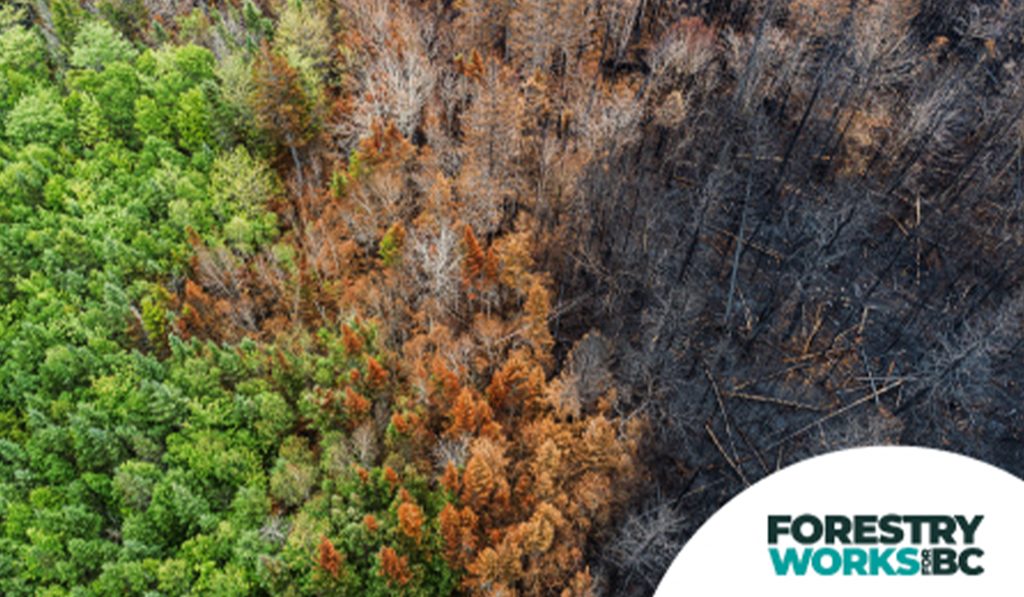
For thousands of years in British Columbia, natural fires and cultural fires deployed by First Nations peoples occurred on a variety of landscapes, maintaining a healthy ecological balance. However, in recent decades, fire suppression policies and restrictions on cultural burns have led to overgrown, overcrowded, and unhealthy forests. With climate change causing hotter and drier summers, these conditions have set the stage for catastrophic wildfires, vastly different from the smaller, lower-intensity fires that once rejuvenated ecosystems. Experts now recognize that reintroducing controlled burns can help restore forests, benefiting communities, the economy, and the environment.
British Columbia’s Forests are a Green Energy Powerhouse

Forests are sometimes called the ‘lungs of the earth’ because growing trees absorb carbon dioxide from the air while releasing oxygen. However, when trees die or burn in wildfires, they release greenhouse gases, including methane and nitrous oxide. Utilizing forest biomass for energy can help reduce emissions while creating economic opportunities. Countries like Sweden and Finland have successfully used bioenergy to reduce wildfires and fossil fuel dependence, a model that British Columbia could learn from.